
Innovation Blog
Where the Wild Innovators Are:
What Innovators Can Learn from Maurice Sendak
By Shlomo Maital
Oct. 20/2009
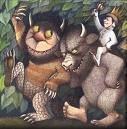
The animated movie Where the Wild Things Are, directed by Spike Jonze, has opened to critical praise and grossed $32 m. in its first days. Where the Wild Things Are is a children’s book by illustrator Maurice Sendak. Sendak was the son of Polish Jewish immigrants. He decided to become an illustrator after watching Disney’s Fantasia. Sendak published Wild Things in 1963. For the few who have not read it to their children, it is about Max:
….Max, who one evening, plays around his home, “making mischief” in a wolf costume. As punishment, his mother sends him to bed without supper. In his room, a mysterious, wild forest and sea grows out of his imagination, and Max sails to the land of the Wild Things. The Wild Things are fearsome-looking monsters, but Max conquers them “by staring into their yellow eyes without blinking once”, and he is made “the King of all Wild Things”, dancing with the monsters in a “wild rumpus”. However, he soon finds himself lonely and homesick, and he returns home to his bedroom, where he finds his supper waiting for him, still hot.
Break the Rules: Sendak’s book was controversial, because some experts felt it was too frightening for kids. But all parents know children have massive fears and confront them head on (unlike adults, who repress and deny them). Moreover, kids like to be frightened, when they know the fright will dissipate as ‘good night’ and warm supper and warm covers.
Initially the monsters were supposed to be horses. But Sendak’s publisher found that Sendak could not draw horses. So he suggested Sendak draw ‘things’. Sendak could draw ‘things’ — he based the monsters in his book, who are truly frightening, on dinner guests to his parents’ home, especially, his aunts. (Innovators: Adapt, adjust. Use what you have, not what you need or want.)
Seven years later, Sendak wrote and drew In the Night Kitchen, about a young boy prancing naked in the kitchen. This book caused a far greater controversy and several states banned it, because of the nudity. It remains banned in several states.
Sendak broke the rules for kids’ books, because he had an idea and was unafraid to implement it. The result was two true classics. The lesson for innovators is parallel to that in the world of sport, writing, music, or research.
· Never look over your shoulder for the critics/experts, while innovating. If you innovate to please them, if you innovate while thinking about what they will say, you are doomed. In American football, a wide receiver who thinks about the defender coming up to nail him, rather than focus on the ball, will miss the catch. Innovate according to your inner voice, like Sendak. Never ever think about what others will say.
This, of course, seems to defy the true-blue rule of “listen to your customers” or “fulfill a proven need”. In fact, it doesn’t. Sendak thought about the kids who would read his book. He wrote and drew for them — only for them.
Innovators create, for those whose lives they wish to change. And only for them — based on a deep true understand of who they are, what they want and what they need. If you shape your business idea according to what you think venture capitalists or investors may wish to hear, I think you are navigating by ‘radar’ rather than by your own internal ‘compass’. If so, you’re going to get lost.

 TIMnovate
Leave a comment
Comments feed for this article