
Innovation Blog
Memo to Political Leaders: Here is What You Face? Can You Handle It?
By Shlomo Maital
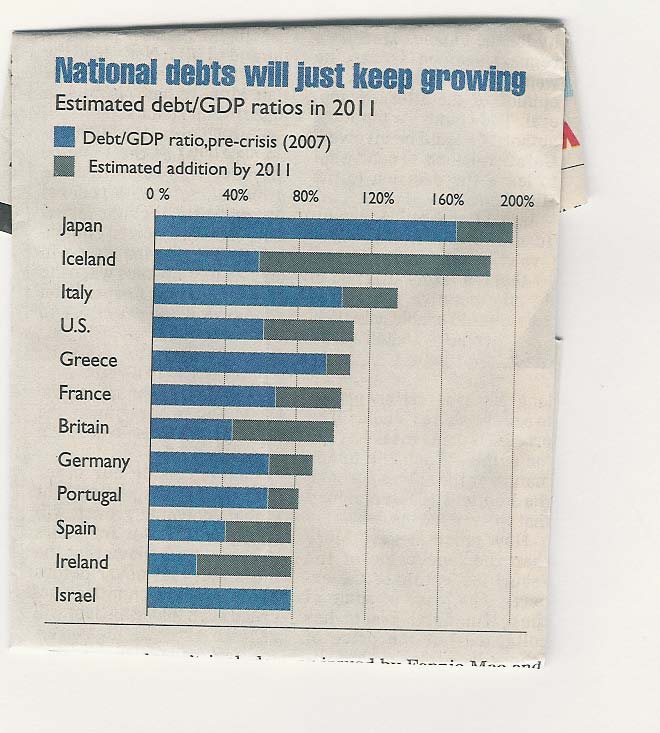
In a nutshell: The world is entering a new phase of the old global crisis, rather than a new phase of crisis-free growth. Here is why. Nations threw vast amounts of money onto the bonfire of recession, to douse it. The result: Enormous national debt. We now face a period of national deleveraging, as nations seek to reduce the enormous debt burden they accumulated. By definition, this will involve reduced public spending, and hardship for those who rely on government in any way for employment, welfare, health services, etc. In short: Social pain. No political leader anywhere has even begun to inform the electorate that this is in store. All prefer to defer this bitter message. One can understand, though not agree or approve.
Here is a short list of decision dilemmas that political leaders will face, in the coming period of deleveraging, 2010-2015. Each leader — Obama, Cameron, Sarkozy, Merkel, Papandreou, Berlusconi, Calderon, Harper, Medvedev, and so on — will be measured by how they manage these fierce dilemmas.
1. JOB CREATION VS. FISCAL SOUNDNESS
When governments slash deficits, while consumers and businesses still refrain from spending and global trade is still limping, demand will be deficient, unemployment may rise. This is a very difficult tradeoff. Fiscal soundness could lead to a renewed recession.
2. MARKET FREEDOM VS. PRO-ACTIVE INDUSTRIAL POLICIES
Governments will need to rethink their industrial policies, and become pro-active, because unregulated market freedom proved unreliable.
3. ATTRACTING FOREIGN CAPITAL VS. WAGE EQUITY
Workers will seek wage increases, which may threaten inward foreign investment. Maintaining balance between labor and capital will be tough; labor will ask, why should the workers pay the price for the destruction wrought by greedy capitalists?
4. SHORT TERM SUCCESS VS. LONG-TERM STRUCTURAL REFORM
Politicians will focus on short-term survival, while neglecting painful structural long-term reforms that are vitally needed.
5. INFRASTRUCTURE INVESTMENT VS. CONTROL OF SPENDING
Many nations desperately need infrastructure investment (e.g. U.S.), but fiscal tightening may prevent it. This would be a mistake — infrastructure creates assets that pay high returns.
6. AMPLE CREDIT FOR GROWTH VS. DEBT REDUCTION
Economic growth requires credit expansion; yet some Central Banks fear renewed inflation, and are tightening credit, while banks reduce lending to shore up their balance sheets and pay off debt. The next recession may occur in part due to shortage of credit for expansion.

 TIMnovate
Leave a comment
Comments feed for this article