
Global Crisis/Innovation Blog
Blame the Fed – Again!
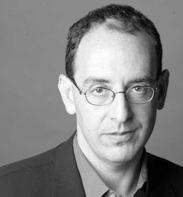
Frank Partnoy
Blame the Fed for irresponsibly slashing interest rates during 2001-4, causing the worst part of the U.S. housing bubble. [See my editorial in Barrons, Dec. 15, “Blame the Fed”, refuting Allan Greenspan’s self-serving and misleading article*].
Blame the fed, again, for irresponsibly bailing out foreign banks in 2007, then choosing NOT to bail out Lehman Brothers, a disastrous error, then claiming (Bernanke) it didn’t rescue Lehman brothers because to do so would have broken the law. False.
Now we know the truth. A law suit brought by Bloomberg, under Freedom of Information, demanding that the Fed open its books and reveal what it did, to whom it loaned and how much, and against which collateral, together with the Dodd-Frank Act, in which a tiny clause required the Fed to come clean, has now brought revealing documents from the Fed.
Why did it take a law suit? Why did the Fed, the ultimate regulator, the body that demands transparency from the banks it regulates, not come clean itself? Why did it hide the truth?
And the truth is this, according to Frank Partnoy, professor at U. of San Diego and author of Infectious Greed: How Deceit and Risk Corrupted the Financial Markets, a remarkable indictment of Wall Street skullduggery. (See the Financial Times, Dec. 3, 2010 **). The American Fed was lending prolifically, in 2007, to the tune of a staggering $3.3 trillion (more than 20 % of US annual GDP). Much of this lending went to foreign banks! Says Partnoy, based on his analysis of the newly-released Fed data: “the Fed’s new data show it was well aware of the crisis [in 2007] and had the ability to lend tens of billions of dollars, but it opted to lend primarily to non-US banks. Those non-US banks, incidentally, lent some of the money back to troubled US banks.
Writing in the same remarkable issue of FT, Gillian Tett notes that the Fed, with its staggering $3.3 trillion in new lending, was replacing the collapsed securitization market, supplying liquidity where none was available, not only in the US but also in Europe. This raises the question, for ECB head Jean Trichet, and for the EU in general: Where were you? What were you thinking? Why were you asleep?
Scholars will doubtless research 2007-9 intensively. As more and more data appear, we see a mixed picture of aggressive Fed action mixed with inexplicable and disastrous decisions. We can, indeed, as a result, blame the Fed.
———————————————–
* Alan Greenspan. The Crisis. Brookings Papers on Economic Activity: Spring 2010, pp. 201-246.
** Frank Partnoy. “Sunlight shows cracks in crisis rescue story”. FT, Comment.
 TIMnovate
Leave a comment
Comments feed for this article