
How Roger Payne Helped Save the Whales
By Shlomo Maital
Can one person change the world? Well, yes, sometimes. E.g. Greta Thunberg, who turned 20 in January, and whose one-person demonstration on Fridays, beginning in August 2018, outside the Swedish Parliament, led many young people to new protest and awareness regarding the climate crisis.
And long before – Roger Payne, who passed away on June 10, age 86, who saved the whales. Here is his story.
Payne recounts he was at Tufts University, near Boston, when he heard about a beached humpback whale at nearby Revere Beach, over 50 years ago. He hurried to the scene – and found people carving their names on the flesh of the dead whale, butting cigars on it, and cutting ‘souvenirs’ from its body. He was devastated.
In 1970, 33,000 whales were killed. Several species were on the brink of extinction. Payne decided on the spot to study these amazing creatures. He and a sound technician decided to listen to the sounds whales made. And to their huge surprise, in their earphones, they heard the songs of the humpback whales – plaintive cries, sad cries. They recorded them.
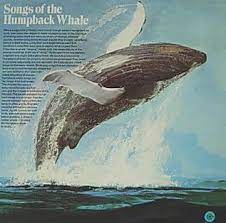
“Songs of the Humpback Whale is the 1970 album produced by Roger Payne. It publicly demonstrated for the first time the elaborate whale vocalizations of humpback whales. Selling over 100,000 copies, it became the bestselling environmental album in history, and its sales benefited the Wildlife Conservation Society’s Whale Fund, of which Payne was Scientific Director.” (Wikipedia).
Many people believe that this album of whale songs led to massive support for conservation efforts to save the whales. This was not Payne’s intention entirely. He simply wanted people to get to know this amazing animal. And there is an anthropomorphism here — the whales’ song is not plaintive, or pleading for help, but simply communicating socially. But it sounds like a call for help. And it turns out, whales are incredibly creative, composing new songs all the time, learning old ones from the elder whales, and showing high intelligence in doing so.
Another deep message here. In the end, people form their opinions based on emotions, not solely or even mainly on reason. The emotional appeal of the whale song touched our hearts.
So, yes, one person can change the world. If you find a way to pluck on people’s heartstrings – they will be moved to action. This is not cynical – I know on-line ‘motivators’ and opinion-shapers try to do this all the time. But one person, like Roger Payne, who does this in a good cause, can indeed change the world.
Roger Payne died peacefully, at home, in Vermont, surrounded by his family, without suffering. Thanks Roger. We owe you. Rest in peace.

 TIMnovate
Leave a comment
Comments feed for this article