
Mapping every human cell
By Shlomo Maital
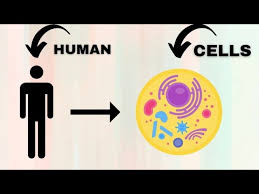
Two important developments in cell biology, published this week, suggest major breakthroughs in how healthcare is provided.
- Preventing disease is always superior to treating it, though Big Pharma loves selling billion dollar drugs. One approach to this has been through use of CAR-T cells.
Chimeric antigen receptor (CAR) T-cell therapy is a way to get immune cells called T cells (a type of white blood cell) to fight cancer by changing them in the lab so they can find and destroy cancer cells. Up to now, this approach has been used by modifying the cancer patient’s own cells. Published work by Chinese researchers, joined by Americans, suggests that donor CAR-T cells can be used as well. This is hugely important – because modifying each cancer patient’s CAR-T cells is expensive and takes time. Using modified donor cells means that large stocks of CAR-T cells can be placed ‘on the shelf’ – though it is unclear whether Big Pharma would be willing to cut down the branch their huge profits rests on.
2. Writing in The Economist, Geoffrey Carr explains how the Human Atlas Project may also change our lives.
“One thing that is now being done is the Human Cell Atlas, a project made possible by the Human Genome Project’s identification of the 20,000 or so protein-coding genes that can determine a cell’s nature. And what a thing it is. The endeavour has involved thousands of researchers spread over all six inhabited continents proposing to track down every type of cell in the body, where each is located, what their jobs are, how they form in a developing embryo, how they collaborate, how they cause diseases when they go wrong and so on.
“The long-term goal is to create something akin to a human digital twin—or, rather, a whole series of twins covering the spectrum of human sexes, ages and geographical backgrounds that can be poked and prodded digitally to see how they react. This will help researchers understand how actual bodies behave, decide which experiments are worth doing in the real world and, perhaps, provoke ideas that might not otherwise have had their lightbulb moment.
It is a huge endeavour, dwarfing the HGP in size and scope, but cleverly keeping costs down by piggybacking on and co-ordinating the efforts of people already working in established laboratories, rather than starting (as many genome-project efforts did) from scratch. Like the genome project, though, it makes its data available immediately, for any and all to use.
“However, unlike the genome project, which was frequently in the news up until that triumphant announcement at the White House in June 2000, the Human Cell Atlas has stayed largely under the radar. As we reported almost two years ago, the contrast is partly a result of the genome project having had well-run PR, a clear end goal, a competitor in the form of a private venture which aimed to beat the public one, and the (ahem) rather large egos of some of those involved (on both the public and private sides).”
= = = = =
It’s pretty simple. Our 20,000 genes (some of them) lead to expression of proteins. Proteins run our lives, keep us well and fight invading germs. Mapping our 30 trillion cells in the human body (!), linking proteins to cells, is an enormous project, requiring global cooperation among cell biologists. But it can yield huge benefits in preventive medicine.
The atlases that showed detailed geographies enabled seafarers to explore the world, and they changed our world. An atlas of the cells in the human body may do the same, for our preventive medicine.

 TIMnovate
Leave a comment
Comments feed for this article