
What We Can Learn From….Cockroaches
By Shlomo Maital
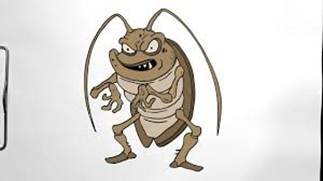
A brave editor of the weekend Haaretz magazine (Hebrew) made the latest cover story describe…cockroaches. With a realistic cockroach on the cover.
Talk about bravery. For unclear reasons, people seem frightened, disgusted and even panicked by them.
Let’s defend these intrepid little insects. Here’s what we humans, on this planet for a piddling 50,000 years, can learn from these insects, who have been around for some 320 million years – and probably will still be around when we humans erase one another from the planet by CO2 or war or plague or some other mishap. Source: Wikipedia
* “They are common and hardy insects capable of tolerating a wide range of climates, from Arctic cold to tropical heat. Tropical cockroaches are often much larger than temperate species.” True, humans populate tropics and the Poles. But cockroaches shame us in how fast and well they adapt, in size, habits, and survival instincts. Humans near the equator are not larger, e.g., than those in Alaska.
* “Some species, such as the gregarious German cockroach, have an elaborate social structure involving common shelter, social dependence, information transfer and kin recognition.” Ever hear of a cockroach war? I don’t think so. Cockroaches are social insects and get along with one another really well. That’s one reason they have endured so long.
* “ Their name ‘cockroach’ comes from the Spanish word for cockroach, cucaracha, transformed by 1620’s English folk etymology into “cock” and “roach”. The scientific name derives from the Latin blatta, “an insect that shuns the light”, which in classical Latin was applied not only to cockroaches but other insects.” Recall the wonderful Latin song, La Cucaracha, which in part praises the little bug. It’s dance-able! Here are some words from it: People they say the cockroach Is a very small animal And when it gets into a house, It’ll soon be the master of it all. Hey – they aren’t kidding.
Look. Cockroaches are harmless. They do not spread disease, like mice. They’re just trying to make a living, like us. We make it hard for them, by extreme cleanliness. But, that’s a good thing, right? They spur us to sweep and mop the floors.
Next time you see one? Overcome your innate disgust and fear. Think about what that little creature has done to survive for 320 million years. And then, think about how we humans can change our ways to try to do the same.

 TIMnovate
Leave a comment
Comments feed for this article