
You are currently browsing the tag archive for the ‘health’ tag.
The Pleasure Loop: Key to Understanding Addiction
By Shlomo Maital
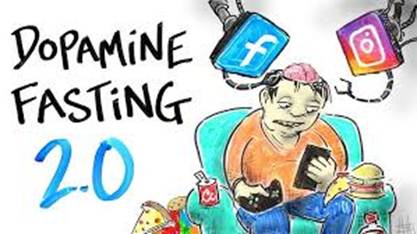
There are few tragedies in life greater than seeing loved ones suffer from addiction. Consider for instance the terrible addiction of Rob and Michelle Reiner’s son – and the horrible consequence. Yet we seem to be unable to crack the problem or solve it.
A recent edition of the Hidden Brain, headed by Shankar Vedante, offers a persuasive explanation. It is the dopaminc pleasure loop.
“Dopamine is a crucial chemical messenger (neurotransmitter) in the brain and body, acting as both a neurotransmitter and hormone that regulates pleasure, motivation, movement, mood, learning, and focus. It’s often called the “happy hormone””. It is a crucial hormone.
Some 50,000 years ago, when humans struggled to find enough food to stay live. Dopamine rewarded each such find. Today, when food is largely ample, or excessive, dopamine continues to reward us excessively. Result: obesity.
But the same is true with addiction. A narcotic triggers dopamine. But we become habituated. Less and less dopamine. The feedback loop seeks more and more drug, to generate the same dopamine high…and consumption rises, until, often, overdose or death or psychosis.
It is an example of how evolution generally improves survivability and viability – but in this case, a rare but terrible one, it leads to annihilation at times. Add to that the enormous drug profits the cartels earn and generate.
The pleasure-loop feedback is immensely hard to change. Once it gets rolling. I think we are all somewhat addicted to something… complete this sentence, “I find it hard to wean myself from my favorite….???”.
There is no easy solution. Dopamine is an insidious, terrible foe, when it becomes an enemy. I loved running – in part because my brain always rewarded it with a jolt of dopamine. Runners know what I mean.
Can we replace bad dopamine pleasure loops with positive ones? Facile, shallow, too easy.. but, we absolutely have to crack this terrible pleasure loop. Understanding it more deeply can help.
Nature Heals – And Helps Us Think
By Shlomo Maital

In the latest episode of the psychological podcast Hidden Brain, with Shankar Vedante, the theme is how Nature Heals. It is based on a conversation with psychologist Mark Berman, U. of Chicago, who researched the subject.
Vedante opens with these startling statistics: “The share of American adults reporting they took prescription drugs for mental health conditions stood at 19% in 2022. … That’s millions of people taking drugs for anxiety, for depression, for attention deficit disorder. Millions more are in therapy, working through their challenges with a counselor. For many people, such measures are enormously helpful, even essential. At the same time, it may be the case that we are overlooking a potential source of relief that is literally right outside our door. This remedy costs nothing, has no known side effects, and is often delightfully pleasant. We are talking about spending time in nature. The capacity of the natural world to soothe and refresh our sensibilities has been known for centuries. But it’s only recently that scientists have begun to identify exactly what it is about the outdoors that has such a powerful effect on our moods and our minds.”
Berman and other scholars have shown what virtually all of us know – a stroll or hike or jog through Nature is calming, refreshing, relaxing … and can heal the mind, at least in part. And there is an additional benefit.
In daily life, our brains are attentive to what we are doing and what needs to be done. In other words, our brains are very busy. In Nature, as we stroll along, our brains relax, and have nothing more to do than to breathe and take in the beauty. And then, things pop in to our minds – ideas, solutions, Plan B’s…. These ideas are always there, but our brains are busy and we don’t have time or attention to hear them.
Berman explains that in Nature, we no longer have focused attention, enabling our brains rest, relaxation and ideation.
We all know this, right? Why don’t we use this more often? I find that our two doggies help a lot – they need walks four times a day, especially the elderly Yorkie, who is 14. We are blessed to live among beauty, among old trees and blooming flowers. Even a short walk can be therapeutic. And it’s right under our noses.
Replaceable You! Virtual You!
By Shlomo Maital
Virtual You: How Building Your Digital Twin Will Revolutionize Medicine and Change Your Life. Peter Coveney, Roger Highfield, Venki Ramakrishnan. 2023 Princeton University Press
Replaceable You: Adventures in Human Anatomy. Mary Roach. Random House, 2025.
One of my never-miss podcasts is Ira Flatow’s Science Friday. This week two wonderful books were reviewed: Virtual You, and Replaceable You. Virtual You reviews how creating a digital copy of each person’s bodily mechanisms and organisms (each of us has a bodily organism unlike any other) can advance medicine by light years, at a time when identical drugs are prescribed for everyone, even though we are all different. This is particularly true of women, at a time when most clinical trials are done on white males. Personalized medicine has been long discussed; digital twin technology may make it feasible and cost-effective. “… your digital twin can help predict your risk of disease, participate in virtual drug trials, shed light on the diet and lifestyle changes that are best for you, and help identify therapies to enhance your well-being and extend your lifespan”, write the authors.
Replaceable You is about the spare parts business – how we are replacing hearts, lungs, livers, knees, hips, eye lenses, and hair follicles, among others, with ‘spare parts’. This too is revolutionizing medicine. It is also a source of heartache, literally – many people wait in long queues for, e.g., kidney transplants. One approach the author describes is the ‘body shop’ approach — hearts for transplant have to be used within four to six hours of removal from the dead donor, and many such hearts are not up to par and are not usable. Scientists look for ways to ‘repair’ defective hearts, and to prolong the time after which they become unusable, to expand the supply – currently, with huge excess demand and long queues.
Science Friday this week discusses how AI has shown promise in speeding development of new drugs – but so far has failed. The current model of drug development, involving mice (very poor representations of human anatomy) and then people (long, expensive, and often misleading) is costly and cumbersome. It was hoped that AI could analyze billions of molecules, to find the right one to block a ‘bad protein’ that causes illness. But so far – it has not happened.
One of the fascinating frontiers of research for ‘spare parts’ is 3D biological printing of organs – corpuscles, cells, etc. This is incredibly complex. But – one day, perhaps, a 3D printer will be able to print a heart – perhaps using key cells from one’s own body to forestall immune rejection.
Understanding Chronic Pain
By Shlomo Maital

[Warning: Long wordy blog, 1,200 words.]
“Conservative estimates suggest that chronic pain affects over one and a half billion people, or 20% of the world’s population.”
Typically, chronic pain is treated with pain relievers. “The global market for analgesics was valued at $53.5 billion in 2024 and is projected to reach $72.8 billion by 2030.” This is big business. And rather risky.
The main painkiller medicine is comprised of opioids (from ‘opium’), such as OxyContin. They are addictive and overdoses kill. OxyContin is the trade name for oxycodone, produced and sold by Purdue, and the Sackler family.
“The number of annual opioid overdose deaths remains more than six times higher than it was in 1999; There were approximately 81,806 opioid overdose deaths in 2022 and 90% involved synthetic opioids other than methadone.”
So if you have chronic pain — is there an alternative way to deal with it, other than opoids? Here is what I learned from a great episode of a podcast, Science Friday:
Chronic pain is remarkably common: Roughly 20% of adults in the US live with it. And people with chronic pain are more likely to have depression, anxiety, and substance abuse disorders. But this relationship between physical and mental health is not as straightforward as you might think, and there’s still a stigma attached to neuro-psychological causes of chronic pain.
“The latest research suggests that untangling the connections between mind and body is a key part of developing better treatments for people with chronic pain. Now, a new psychological treatment called pain reprocessing therapy has shown initial success in eliminating back pain in research participants
Guests: Dr. Lauren Heathcote is a Senior Lecturer in Health Psychology in the Institute of Psychiatry, Psychology & Neuroscience at King’s College London in London, England. Dr. Yoni Ashar is an assistant professor and Co-Director of the Pain Science Program at University of Colorado Anschutz Medical Campus in Aurora, Colorado.
Flora Lichtman (SciFri contributor): “Roughly 20% of adults in the US live with it. And people with chronic pain are more likely to have depression, anxiety, and substance abuse disorders. But this relationship between physical and mental health is not as straightforward as you might think. And the latest research suggests that untangling the connections between mind and body is a key part of developing better treatments for people who have chronic pain.
Expert guest Dr. Lauren Heathcote: “In the case of chronic pain, it’s more the case that the brain is getting it a bit wrong. So it might be that there was some sort of initial injury, but that that has now healed, or potentially that there is still some ongoing inflammation in the body, some kind of bodily damage in some way, but the brain is still producing a pain signal even when it’s not particularly helpful anymore.”
Expert guest Dr. Yoni Ashar: “The way pain is processed in the brain is quite complex. There’s no one region that’s the pain region. Pain is processed, everywhere and nowhere. And we see changes along all parts of the pain processing pathways. ….a lot of people come to us thinking that their bulging disk or their arthritis or et cetera, that’s the cause of their pain. And the major step is education, that actually bulging disks and arthritis are highly prevalent in people who have no pain whatsoever, and they’re typically not related to the pain… And that education to help people shift their thinking to this pain is actually not a sign of tissue injury. This pain is an indication that my pain system has gotten sensitized.”
Science Friday producer, Shoshannah Buxbaum: “One of the new treatments is called pain reprocessing therapy. It’s designed specifically for people who have pain that’s primarily due to changes in the mind and brain. The goal is to have patients unlearn the pain pathways that their brain has formed, which are, in turn, causing them to experience pain. So step one is educating patients on the science of chronic pain and what’s actually going on in their bodies.”
“The first study testing the efficacy of pain reprocessing therapy was in patients with chronic back pain. And back pain is among the most common chronic pain conditions in the US. Severe chronic back pain affects over 8% of adults in the US, and lower back pain, specifically, is the most frequent cause of job-related disability in the country.
“I wanted to understand what going through this type of therapy was actually like. So I talked to Sal, who is a participant in that first study. We’re just using Sal’s first name to respect their privacy. So I started off by asking them about when their pain first started.
SAL: I mean, I first noticed my back pain beginning in high school around when I was 15. I’m in my 30s now. So it’s been probably more than half my life at this point. It was a daily thing. It’s something I woke up with every day. And I think I just almost resigned myself of, like, this is just how my body feels, right. So I met with John. He does pain reprocessing therapy. And he himself had also benefited from the treatment greatly. We met for an hour once a week for six or eight weeks. Part of the treatment itself is acknowledging, from the cognitive standpoint, of reminding yourself that you’re safe and that your body doesn’t need to be feeling fight or flight.
“ Learning about the research and learning about how pain works in the brain and the body is part of the treatment. And I told John, throughout the whole process– I said, this is really dumb. And he’s like, I know. Because it almost feels like there was nothing intensive. There was nothing that I radically learned that was different. So it would just be breathing exercises and focusing specifically in this spot in my right shoulder that feels uncomfortable or feels pain.
“And what is the quality of the pain? Does it feel tingly? Does it feel sharp? Does it feel cold? Does it feel hot? So noticing on the actual sensation of pain, and trying to spread that out or dissolve it a little bit, or just focusing on it and taking a deep breath while focusing on it. And so just taking a moment to remind yourself and your body that you’re safe and that you don’t have to carry that tension or that pain. And just even the small act of doing that provides relief.
“I would say I went from a daily, waking up, six or a seven pain, and just chronic all day, and increasing or decreasing, depending on my stress. But I’m at a zero or one. And even now I’m skeptical. I’m like, oh, really? I don’t wake up with pain anymore? That’s cool.”
Expert guest Dr. Yoni Ashar: “When we started this work, I was concerned that people would storm out of our offices and feel dismissed and invalidated. But more often it’s the opposite of people telling us, wow, now things make sense. I saw 10 different doctors before this who had 10 different stories, and none of it really made sense or could explain all my symptoms. And now, for the first time, things are falling into place. Things are clicking.”
“For some people with chronic pain, there’s a big component of trauma and history of deeply entrenched patterns of self-criticism. These make it a lot harder to just try to treat the pain in isolation. What we’re finding is that for a number of people you can’t just talk about the pain and expect everything to get better, but it will require a deeper dive into what’s making them feel unsafe more broadly. And trying to help people resolve those other mental health challenges will be the key to helping their pain.”
Perhaps one day, alternative approaches to chronic pain relief will put the Big Pharma big bucks out of business. And fewer people will die of overdoses.
Our Aging Bodies: Agility, Not Just Strength
By Shlomo Maital

In this space, I have often written about the importance for the elderly to maintain muscle strength. Sarcopenia, loss of muscle, is rapid and stealthy among those 60 and over, and it’s hard to get it back once it’s gone.
Now, writing in the New York Times, April 5, 2025, Amanda Loudin notes that not only strength but agility is crucial for us golden agers. As we age, our bodies stiffen – but exercise can maintain flexibility. She offers a quick workout to maintain agility; I’ve summarized it below. I’ve tried it – it is effective, not difficult, and seems to do the job.
“Sequence: Complete each drill three times before moving to the next. Start with one minute of rest after each drill and work that down to 30 seconds. For each movement: Do as many repetitions as you can in the time allowed. The goal is to increase your speed.”
Carioca drill Repetitions: 30 seconds in each direction, repeated three times
Standing in place with your knees slightly bent, cross your right foot in front of your left, then bring your left foot out and step sideways. Bring your right foot behind your left, then move your left foot to the left and sideways. Continue each lateral movement for 30 seconds, rest, then switch directions. Ideally you should do this in an open area, but if you have limited space, adapt to what is available.
Ladder drills Repetitions: 30 seconds, repeated three times
Start with a 15-foot chalk line, tape or cord. Quickly step over the line with one foot at a time, bringing both feet to one side before going back across to the other. With each step, move sideways down the line until you reach the end. Turn back to go the opposite way. As you improve, try an agility ladder to do these step-ins/outs while moving forward up and down the ladder.
Figure Eight Drill Repetitions: 20 seconds, repeated three times
Set two dumbbells, cones or yoga blocks 10 to 15 feet apart. Picture the top, bottom and middle of a figure eight in your mind. Run the figure eight, aiming to improve your reaction time on turns and curves. Try switching directions with each set.
Agility Balls Repetitions: 30 seconds, repeated three times
Hold a tennis ball or other small, bouncy ball in front of you near ear level. Drop it and squat down quickly with the goal of catching it in the same hand after it bounces once and starts to come down again. To make this more challenging, toss the ball against a wall and catch it one hand.
Skaters Repetitions: 15 repetitions, repeated three times.
Beginning on your left foot, hop sideways onto the right, then quickly back to the left while gently swinging your arms. Work into a back-and-forth rhythm and focus on a soft landings. As you improve your control and speed, practice staying on one foot for a few seconds before hopping to the other.
Shuttle runs Repetitions: 30 seconds, repeated three times.
On a flat, open space, mark two points about 25 feet apart. Sprint from one to the other, stopping briefly before sprinting back. You can do this by shuffling side to side for more of a challenge, or just run up and back.
Thanks, Amanda. This may save some of us some serious falls.
Stuck: A Root Cause Analysis
By Shlomo Maital
Stuck: How the Privileged and the Propertied Broke the Engine of American Opportunity. by Yoni Appelbaum. Feb. 2025.
In Root Cause Analysis (RCA), you keep asking questions, until you get to the bottom of the problem.
How did Trump gain a (small) majority of voters to support his crackpot ideas – now weaking havoc on America and the world?
Yoni Applebaum is deputy executive editor of The Atlantic, a leading magazine. His new book offers a root cause explanation.
The problem is costly housing, which limited mobility, which was the traditional way low-income Americans made more money.
Here is how it worked.
Under the Democrats, America off-shored its manufacturing to Southeast Asia, mainly China. This hurt the industrial heartland and manufacturing workers, in the Midwest, the South, and elsewhere.
In the past, a US worker thrown out of work picked up, packed up, and moved to where there were jobs.
But because housing became super-expensive, and hard to find (try to find a rental in Boston!), moving for this group was not an option, because while their wages would rise, they would be more than eaten up by hugely expensive housing.
Not so for the elites. A lawyer could leave Alabama, and earn fortunes in New York City, more than enough to cover the housing costs.
Hence, Americans, who once were highly mobile, are far less so today. They are stuck – Stuck in backwater places like Flint, Michigan, once a manufacturing hub, now a slum with water full of lead.
The elites (who vote Democrat) have escaped long ago. The working class are stuck and left behind.
Hello, Dems? Are you listening? Did you see the problem of housing? Did you do anything? NO?
In November 2024, you paid the piper.
Do Viruses Cause Alzheimer’s?
By Shlomo Maital
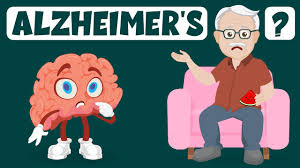
A third of those age 85 and over contract Alzheimer’s. I am 82 — hence, I have a keen personal interest in this disease. Despite massive research funding, very little progress in treatment and understanding the root cause has been made. And 32 million people worldwide now have Alzheimer’s.
But a stubborn, persistent and courageous woman named Ruth Itzchaki is at last being heard – according to The Economist. She has longed claimed that viruses causes Alzheimer’s. Scientists ridiculed the idea. But she may be right. She is in her 90’s – and still tireless in her research.
This is from the March 17 issue of The Economist:
“For years, most research into Alzheimer’s disease—the most common cause of dementia—has been laser-focused on two proteins, known as amyloid and tau. These build up in the brains of people with the disease, forming plaques and tangles that prevent neurons from functioning properly.
Most scientists assumed that these proteins are the primary cause of Alzheimer’s disease. But the shingles studies published in 2024, along with a host of new papers, add weight to an alternative decades-old idea—that viruses trigger the disease. Per this theory, plaques and tangles of proteins could, instead, be the body’s response to an underlying viral infection. If that is true, then eliminating the virus could prevent or treat Alzheimer’s.
Ruth Itzhaki, formerly of Manchester University and now a visiting professor at the University of Oxford, has championed this idea for almost 40 years. The bulk of her work has focused on herpes simplex virus 1, best known for giving people cold sores, which infects around 70% of people, most without symptoms. The virus normally lives outside the brain, where it can lie dormant for years. It is flare-ups that can lead to cold sores.
In rare cases, the virus can also lead to massive inflammation in the same brain areas that are most affected by Alzheimer’s. In experiments conducted in the early 2000s, Professor Itzhaki found that if she infected lab-grown human brain cells with HSV1, amyloid levels inside the cells increased dramatically. That led her to suspect a causal connection.
For decades she struggled to get her ideas accepted by the rest of the scientific community. “It was considered a left-field, crazy hypothesis,” says Or Shemesh, who researches viruses and Alzheimer’s at the Hebrew University of Jerusalem. Most scientists were focused on the role of amyloid and tau, assuming that they were the primary cause of the disease. Critics argued that the virus theory was hard to reconcile with the fact that Alzheimer’s has a strong genetic basis or occurs in almost all people with Down’s syndrome.
But growing disillusionment with the leading hypothesis for the cause of Alzheimer’s has led scientists to cast around for alternatives, such as viruses. Over many decades, for example, tens of billions of dollars have been poured into efforts to develop treatments to reduce the levels of amyloid and tau in the brain but the results have been underwhelming—existing amyloid-targeting drugs only have a modest effect on the disease. The discovery that pathogens can trigger other neurological diseases, such as the connection between Epstein-Barr virus and multiple sclerosis, has made the link yet more plausible.
In a bid to push forward Professor Itzhaki’s theory, a group of 25 scientists and entrepreneurs from around the world have assembled themselves into the Alzheimer’s Pathobiome Initiative (AlzPI). Their mission is to provide formal proof that infection plays a central role in triggering the disease. In recent years their work detailing how viruses trigger the build up of proteins linked to Alzheimer’s has been published in top scientific journals.
One new idea, supported by some AlzPI members, is that amyloid and tau may actually be the brain’s first line of defence against pathogens. These proteins are sticky, so they can grab hold of viruses or bacteria to slow their spread before more sophisticated immune responses kick in, says William Eimer at Harvard University. In small quantities, therefore, the proteins seem to boost brain health. The presence of active HSV1 or other pathogens, however, may send the immune system into overdrive, causing the proteins to stick to each other and create the plaques and tangles that damage neurons in Alzheimer’s.
What’s more, in 1997 Professor Itzhaki found that people with a genetic variant known to increase Alzheimer’s risk, ApoE4, were only more likely to get the disease if they also had herpex virus in their brain. In 2020 a group of French scientists showed that repeated activations of the virus … more than tripled the chance of developing Alzheimer’s in those with it.
Researchers at Tufts University, working with Professor Itzhaki, have probed why such reactivation occurs. In 2022 they found that infection with a second pathogen, the shingles virus, could awaken the dormant herpes virus and trigger the accumulation of plaques and tangles. This may explain why shingles vaccination appears to be protective against dementia. In another study published in January, the Tufts researchers also showed that a traumatic brain injury—a known risk factor for Alzheimer’s—could also rouse HSV1 and start the aggregation of proteins in brain cells grown in a dish.
The viral theory has promising implications for treatment. Current therapies for Alzheimer’s, which attempt to reduce levels of amyloid in brain cells, merely work to slow the progression of the disease. If viruses are a trigger, though, then vaccination or antiviral drugs could prevent future cases.
Around 32m people around the world are living with Alzheimer’s disease. If antiviral treatments can indeed slow, delay or prevent even a small subset of these cases, the impact could be tremendous.”
The Man Who Saved 2.4 Million Lives
By Shlomo Maital
James Harrison
In the Old Testament, Book of Genesis, God gives instructions to Abraham: “Leave your country, your people and your father’s household and go to the land I will show you. I will make you into a great nation and I will bless you; I will make your name great, and you will be a blessing.”
Jewish people interpret this to be a general commandment for all humanity – to live to be a blessing for others. Many of us do find ways to make others happy, among friends and family and neighbors.
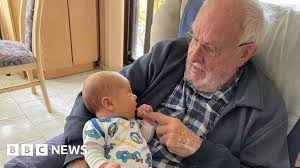
But think of James Harrison, an Australian who recently passed away at age 88. He was a blessing on an unimaginable scale – he saved the lives of 2.4 million babies. I found this in a report on the BBC.
How did he do it? It started when Harrison received a massive blood transfusion at age 14, when he fell ill. He decided then he would pass it on.
Background: Blood types can be Rh positive or Rh negative. Rh stands for Rhesus factor. It indicates whether the Rhesus protein is present on the surface of blood cells (Rh positive) or whether it is not present (Rh negative).
When the blood of a pregnant woman’s fetus is Rh-positive and it gets into the bloodstream of an Rh-negative woman, her body will recognize that the Rh-positive blood is not hers. Her body will try to destroy it by making anti-Rh antibodies. These antibodies can cross the placenta and attack the fetus’s blood cells. Data show that Rh negative occurs in 6% of all women, or one in 16. Blood tests are regularly done for pregnant women, to alert doctors to the problem.
Harrison’s blood happens to be rich in a rare antibody, Anti-D, that is crucial for mothers and their babies. The BBC explains:
“Anti-D jabs protect unborn babies from a deadly blood disorder called haemolytic disease of the foetus and newborn, or HDFN. The condition occurs at pregnancy when the mother’s red blood cells are incompatible with that of their growing baby. The mother’s immune system then sees the baby’s blood cells as a threat and produces antibodies to attack them. This can seriously harm the baby, causing severe anaemia, heart failure, or even death. [Anti-D destroys the offending antibodies].
“Before anti-D interventions were developed in the mid-1960s, one in two babies diagnosed with HDFN died. There are fewer than 200 anti-D donors in Australia, but they help an estimated 45,000 mothers and their babies every year, according to the Australian Red Cross Blood Service, also known as Lifeblood.”
Harris contributed blood plasma every week or 10 days for his entire life, for 70 years. Note: Not his red cells, just the plasma. In a plasma-only donation, the liquid portion of the donor’s blood is separated from the cells. Blood is drawn from one arm and sent through a high-tech machine that collects the plasma. The donor’s red blood cells and platelets are then returned to the donor along with some saline.] The Anti-D antibody was processed from Harris’s plasma.
The infant death problem stemming from the hemolytic condition was noted in print as early as 1609. It took sleuthing by researchers in the UK, Canada and the US to figure out the cause and to find a solution. They too are a blessing, saving millions of precious tiny lives.
Elon Musk and the Trump Administration, strongly supported by Bible-believing Christian groups, are using a chain saw to decimate medical research, of the kind that brings blessings. Like Anti-D.
There will be no forgiveness.
Gum Disease & Alzheimer’s: A Surprising Connection
By Shlomo Maital

A study led by Prof. Gabriel Nussbaum, Faculty of Dental Medicine, Hebrew University of Jerusalem, reveals a curious connection between gum disease and Alzheimer’s. It is reported by the daily Jerusalem Post.
Here is the story.
Porphyromonas gingivalis, the microbe that causes gum disease (e.g. gingivitis) is a germ that thrives in inflamed oral tissue in our mouths. Unlike most microbes, that thrive on sugars, it lives on proteins and on the iron in red blood cells. It feeds on the plaque and on the bleeding gums that arise when our gums are infected and ailing. Bleeding gums are like lunch or supper for it.
This insidious little bug has a magical trick. It uses a protein to fight the body’s immune system. The protein is called CD47. When the body has an infection, anywhere, e.g. our gums, it sends white blood cells to fight – part of our immune system. But this sneaky microbe, porphyromonas, has figured out how to defeat the white blood cells, and moreover, actually make them worsen the infection and gum bleeding, worsening the inflammation.
Sneaky! Gosh, what evolution can come up with!
But – what in the world does this have to do with Alzheimer’s?
Alzheimer’s is characterized by sticky plaque that gums up our brains and ultimately shuts it down. It seems likely that the microbes that infect our gums spread to our brains, and “drive macrophage cells into a pro-inflammation stage, generating plaque rather than preventing it.”
Macrophage cells are cells in our brain that comprise our active immune defense to protect our brains from microbes and other bad things. They make up fully 10% of the total number of cells in our brain. Makes sense — Evolution has evolved to protect our brains – but porphyromonas gingivalis may have figured out a defense against the defense.
What is the action item here? Seniors — healthy teeth and gums are really important for overall health. We’ve known this for ages. But now, we may see some real science that connects our gums and teeth with our brains.
Have your teeth cleaned regularly by a dental hygienist, so plaque doesn’t form and cause gingivitis. Maybe every six months or so. If your gums do bleed, see a periodontist. Your brain will say, thank you.
Why Women Live Longer
By Shlomo Maital

Biologists and scientists in general know a lot. But there still remain many mysteries in our universe that are unsolved.
Here is one. In 175 countries out of the 178 that keep demographic records, women outlive men, in life expectancy. In Israel: 84.7 years (women), 80.7 (men). In the US: 80 for women, 76 for men. The four-year gap seems like a small one, but it is actually very large. And it exists for life expectancy at age 5, and also at age 50.
Why do women outlive men? Here are the theories. Women suffer less from heart disease, strokes and cancer. Why? Maybe: They have estrogen, which seems to help the immune system. Women drink less alcohol and smoke less. Women tend to visit doctors more often for checkups.
And — women have two XX chromosomes, men have one X and one Y. The double XX provides some redundancy, in case one X is damaged, and the X chromosome seems related to immunological strength.
At conception, 108 embryos are male compared to every 100 that are female. Why? We don’t know. At birth, 105 males are born to every 100 females. So, more male embryos die before birth than female. More males are born, but they live shorter lives.
There is a major social program that derives from the fact that women live longer. At ages 65, 70 and older, there are many more widows than widowers. Some are blessed with nearby children and grandchildren. And with friends and social groups. But many are not. They are lonely and isolated.
And related to that loneliness: Many elderly women are not in good health. Because — women suffer more morbidity (ill health) than men do, yet live longer. We do not know why. Women have more ill health, yet live longer, because they do not die from their illnesses. Why?
Readers: Any ideas?

 TIMnovate