
Diseases in a Dish: George Bush, Hero of Stem Cell Breakthrough, or
How Reframing Spurs Creativity
By Shlomo Maital
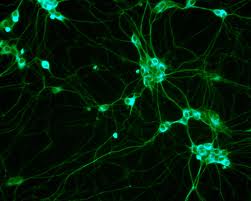
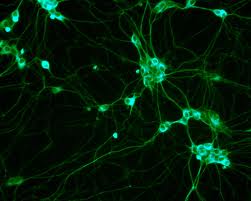
induced pluripotent stem cells
In August 2001 President George Bush, then in office for about six months, announced that the National Institutes of Health would no longer fund creation of additional embryonic stem cell lines. This effectively blocked research, because existing lines were insufficient.
This was perhaps one of ex-President Bush’s greatest decisions. Sometimes, you create breakthroughs by making life harder (rather than easier) for creative people.
A fascinating article in Scientific American * recounts how James Thompson, a dozen years ago, created stem cells in a dish at Univ. of Wisconsin. After Bush’s decree, and despite Obama’s relaxation of it, and because of a Federal judge’s reaffirmation banning NIH funding of embryonic stem cell research in 2010, researchers redoubled efforts to create stem cells rather than harvest them from embryos.
In 2002, three Columbia U. scholars published a paper showing how to transform embryonic stem cells into motor neurons (nerve cells). Lee Rubin, a biotech veteran who then headed Harvard’s stem cell research institute, then had a great idea, a transformative idea. Others want to use stem cells to cure disease. Hey, why not use them to CREATE disease? If you can create an illness, maybe you can find faster ways to cure it. Why not CREATE stem cells, then use them to produce diseased cells, then see how to treat them? This REFRAMING approach originally led to the multiple sclerosis (MS) drug Copaxone, when Weizman Institute researcher Ruth Arnon sought ways to induce MS and came up with a co-polymer molecule that was successful in treating it.
Result? Columbia U. researcher Wendy Chung took skin cell samples from two Croatian sisters suffering from ALS (amyotrophic lateral sclerosis, or Lou Gehrig’s disease). Those cells were transformed into stem cells, or what was called induced pluripotent stem cells (IPSC), using a technique developed in japan. Those stem cells were persuaded to become nerve cells, and as such, they had the genetic predisposition to ALS. Now, researchers are using the test-tube ALS nerve cells to see whether existing FDA-approved drugs can cure ALS. Trays of dishes with the ALS cells are used to test thousands of drugs for anti-ALS potency. This is far far faster, than other methods for developing drugs that require three-phase clinical trials that take forever.
Rubin, Chung, Thompson may get Nobel Prizes. I hope they acknowledge George Bush’s assistance. By making stem cell research harder, he probably speeded it up by light years. Versatile stem cells made from adult cells and with induced diseases may now serve as disease simulators, in Petri dishes, for drug trials. This comes at the perfect moment, when Big Pharma is abandoning earlier attempts to use the ‘target molecule’ approach (find good proteins that shut down bad proteins turned on by genes, that cause illness).
When you seek a solution to a problem, try reframing the question. Ask it in different ways. Turn it on its head. Reverse it. Hold it up to the light, and turn it around and view different angles. Sometimes, it is CREATIVE QUESTIONS that generate breakthroughs, rather than the answers.
* Stephen Hall, “Diseases in a dish”, Scientific American March 2011.

 TIMnovate
3 comments
Comments feed for this article
March 17, 2011 at 1:23 pm
Ujjaval Shah
Dear Sir,
My Father is suffering from ALS. Can I expect some results from this study faster. Last 2 yrs have passed with Ray of Hopes and Darkness.
March 17, 2011 at 2:48 pm
timnovate
Ujjaval, I’m terribly sorry about your father. ALS is an awful disease, one of the worst, I also have first-hand experience. I’m afraid it is unlikely there will be rapid progress in finding a cure. But we can always hope. Let’s track developments carefully together. Best wishes….
March 19, 2011 at 4:30 am
company offshore
Under the right conditions or given the right signals stem cells can give rise differentiate to the many different cell types that make up the organism. That is stem cells have the potential to develop into mature cells that have characteristic shapes and specialized functions such as heart cells skin cells or nerve cells… ..Many of the terms used to define stem cells depend on the behavior of the cells in the intact organism under specific laboratory conditions or after transplantation in vivo often to a tissue that is different from the one from which the stem cells were derived…For example the fertilized egg is said to be from the Latin totus meaning entirebecause it has the potential to generate all the cells and tissues that make up an and that support its development .